“19 kinds” search results (2000)
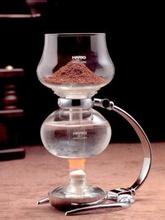
Ice drip pot equipment Boutique coffee equipment Latest introduction
Usually we are familiar with the way of coffee, nothing more than follicular, siphon, immersion, etc., in fact, there is also a very special water for a long time to quench the practice. This method first originated in the ancient Dutch territory, in the early 19th century by the Dutch widely spread, this coffee is therefore named Dutch (Netherlands) ice drop coffee, but also quite popular global coffee hobby
2015-12-22 ice maker utensils boutique coffee latest introduction common everyone familiar
Excellent balance of the Goddess Manor Fine Coffee Bean Flavor and Taste introduction to the Manor production area
Other kinds of Brazilian coffee, such as Rio and Parana, can be produced in large quantities because they do not need too much care. Although the taste is rough, it is a kind of high-quality and inexpensive coffee, which has its own standard because it is distributed all over the country and varies in quality (NO.2~NO.8 according to the number of sundries, NO.13~NO.19 according to the size of beans, and taste).
2016-09-13 Excellent balance goddess manor boutique coffee beans flavor taste producing area introduction
Starbucks Coffee types Starbucks Coffee prices Starbucks Coffee inventory Star
Starbucks Starbucks is a well-known coffee shop and coffee bean brand. What kind of coffee do Starbucks have? What kind of Starbucks coffee, what is the price of Starbucks coffee? Starbucks NO.1 cappuccino Cappuccino coffee follows the traditional technique, which is made by our skilled coffee bartender who gently pours hand-made hot milk and delicate milk foam on top of espresso.
2016-03-14 Buck coffee type price inventory Starbucks well-known
The practice of fine Kenyan coffee the purchase of Kenyan coffee beans
Coffee entered Kenya in the 19th century, when Ethiopian coffee drinks were imported into Kenya through southern Yemen. But it was not until the early 20th century that the Bourbon Coffee Tree was created by the St. Austen Mission (St). AustinMission) is introduced. Kenyan coffee is mostly grown at an altitude of 1500 to 2100 meters and is harvested twice a year. To ensure that only ripe berries are picked, people must be in the forest
2016-05-05 Boutique Kenya coffee practice coffee beans buy 19th century enter
Introduction of boutique Kenyan coffee how much does Kenya buy Kenyan coffee?
Coffee entered Kenya in the 19th century, when Ethiopian coffee drinks were imported into Kenya through southern Yemen. But it was not until the early 20th century that the Bourbon Coffee Tree was created by the St. Austen Mission (St). AustinMission) is introduced. Kenyan coffee is mostly grown at an altitude of 1500 to 2100 meters and is harvested twice a year. To ensure that only ripe berries are picked, people must be in the forest
2016-05-05 Boutique Kenya coffee introduction how less money 19th century enter
The characteristics of Kenyan coffee beans the origin of Kenyan coffee beans
Coffee entered Kenya in the 19th century, when Ethiopian coffee drinks were imported into Kenya through southern Yemen. But it was not until the early 20th century that the Bourbon Coffee Tree was created by the St. Austen Mission (St). AustinMission) is introduced. Kenyan coffee is mostly grown at an altitude of 1500 to 2100 meters and is harvested twice a year. To ensure that only ripe berries are picked, people must be in the forest
2016-05-08 Kenya coffee beans characteristics origin coffee 19th century entry Kenny
Characteristics of Kenyan coffee beans A brief introduction to Kenyan coffee beans
Coffee entered Kenya in the 19th century, when Ethiopian coffee drinks were imported into Kenya through southern Yemen. But it was not until the early 20th century that the Bourbon Coffee Tree was created by the St. Austen Mission (St). AustinMission) is introduced. Kenyan coffee is mostly grown at an altitude of 1500 to 2100 meters and is harvested twice a year. To ensure that only ripe berries are picked, people must be in the forest
2016-05-08 Kenya coffee beans characteristics origin profile coffee 19th century entry Kenny
The characteristics of Kenyan coffee beans the origin of Kenyan coffee beans
Coffee entered Kenya in the 19th century, when Ethiopian coffee drinks were imported into Kenya through southern Yemen. But it was not until the early 20th century that the Bourbon Coffee Tree was created by the St. Austen Mission (St). AustinMission) is introduced. Kenyan coffee is mostly grown at an altitude of 1500 to 2100 meters and is harvested twice a year. To ensure that only ripe berries are picked, people must be in the forest
2016-05-08 Kenya coffee beans characteristics origin coffee 19th century entry Kenny
The coffee producing area of Guatemala the characteristics of Guatemalan coffee
In 1750, Father Jesuit introduced coffee trees to Guatemala, where the coffee industry was developed by German colonists at the end of the 19th century. Today, most of the coffee industry's production takes place in the south of the country. Coffee production in Guatemala: the slopes of SierraMadre volcano provide ideal conditions for growing high-quality coffee beans at high altitudes.
2015-10-08 Guatemala Coffee Origin characteristics 1750 Jesu Voight
Introduction of coffee beans Kenya coffee beans characteristics of Kenyan coffee beans
It entered Kenya in the 19th century, when Ethiopian coffee drinks were imported into Kenya through southern Yemen. But it was not until the early 20th century that the bourbon was introduced by the St. Austen Mission (St.AustinMission). Kenyan coffee is mostly grown at an altitude of 1500m, 2100m, and is harvested twice a year. To ensure that only ripe berries are picked, people must be in the forest
2016-05-04 Coffee beans species introduction Kenya characteristics 19th century entering when
A coffee roasted coffee bean powder grown in coffee farms in India
The coffee in India is mainly Arabica coffee, while Robbist coffee was introduced at the end of the 19th century and accounted for a certain proportion. Indian Grade A coffee beans are baptized by the monsoon and are rich, smooth and delicious, but have a peculiar spicy taste. A coffee connoisseur once commented that grade A coffee has a taste similar to that of Indonesian aged beans, which may have something to do with their handling.
2016-06-08 India coffee manor planting baking bean powder mainly
Taste of Costa Rican Coffee introduction to the characteristics of Costa Rican Coffee in Manor area
Other kinds of Brazilian coffee, such as Rio and Parana, can be produced in large quantities because they do not need too much care. Although the taste is rough, it is a kind of good and cheap coffee. It has its own standard because it is distributed all over the country and its solid quality varies. It has its own standard (NO.2~NO.8 according to the number of sundries, NO.13~NO.19 according to the size of beans, and six grades according to taste).
2016-08-01 Costa Rica coffee flavor taste manor producing area introduction characteristics others
The origin of Kenyan coffee the present situation and development prospect of Kenyan coffee!
1. It originated in Kenya in the 19th century, when Ethiopian coffee drinks were imported to Kenya through South Yemen. But it was not until the early 20th century that the bourbon was introduced by the St. Austen Mission (St.AustinMission). Kenyan coffee is mostly grown at an altitude of 1500m, 2100m, and is harvested twice a year. To ensure that only ripe berries are picked, people
2016-03-02 Kenya Coffee Origin status quo Development prospects 19th Century entry Ken
The planting method of Kenyan coffee beans the characteristics of Kenyan coffee beans
Coffee entered Kenya in the 19th century, when Ethiopian coffee drinks were imported into Kenya through southern Yemen. But it was not until the early 20th century that the Bourbon Coffee Tree was created by the St. Austen Mission (St). AustinMission) is introduced. Kenyan coffee is mostly grown at an altitude of 1500 to 2100 meters and is harvested twice a year. To ensure that only ripe berries are picked, people must be in the forest
2016-05-08 Kenya coffee beans planting methods characteristics coffee 19th century entering Kenny
Flavor characteristics of African Kenyan coffee bean producing areas an introduction to the history of Kenyan coffee culture
Coffee entered Kenya in the 19th century, when Ethiopian coffee drinks were imported into Kenya through southern Yemen. But it was not until the early 20th century that the Bourbon Coffee Tree was created by the St. Austen Mission (St). AustinMission) is introduced. Most Kenyan coffee grows at an altitude of 1500 to 210.
2021-11-17 Kenya coffee origin cultural history 19th century entered
How many kinds of coffee are there in the world's top coffee?
The production of coffee in Guatemala began in the mid-18th century, when Father Jesuit introduced coffee trees to Guatemala, and in the late 19th century German colonists developed the local coffee industry. Since then, Guatemala has gradually become one of the most famous high-quality coffee producers in the world. The best coffee is produced around Lake Antitlan (Anditte Blue Lake) in the southwest.
2016-06-05 World Top Coffee introduction number Type Guatemala production beginning
Introduction of Brazilian Coffee Brand characteristics, Flavor description, Price, taste and Fine Coffee
Other kinds of Brazilian coffee, such as Rio and Parana, can be produced in large quantities because they do not need too much care. Although they taste rough, they can be regarded as a kind of good and cheap coffee. Because they are distributed all over Brazil and their solid quality varies, they have their own standards (NO.2~NO.8 according to the number of sundries, NO.13~NO.19 according to the size of beans, and six according to taste).
2016-10-11 Brazil coffee brand characteristics flavor description price taste boutique introduction
Description of Flavor of Fine Coffee beans in Coffee Variety producing area of Saint Roman Manor, Costa Rica
Other kinds of Brazilian coffee, such as Rio and Parana, can be produced in large quantities because they do not need too much care. Although the taste is rough, it is a kind of good and cheap coffee. It has its own standard because it is distributed all over the country and its solid quality varies. It has its own standard (NO.2~NO.8 according to the number of sundries, NO.13~NO.19 according to the size of beans, and six grades according to taste).
2016-09-27 Costa Rica Roman Manor Coffee varieties producing areas Fine goods Coffee beans Flavor
The main methods of growing Kenyan coffee what are the methods of Kenyan coffee
It entered Kenya in the 19th century, when Ethiopian coffee drinks were imported into Kenya through southern Yemen. But it was not until the early 20th century that the bourbon was introduced by the St. Austen Mission (St.AustinMission). Kenyan coffee is mostly grown at an altitude of 1500m, 2100m, and is harvested twice a year. To ensure that only ripe berries are picked, people must be in the forest
2016-05-23 Kenya coffee major planting methods several practices 19th century entered
An introduction to the Coffee Flavor description and Grinding characteristics of Saint Roman Manor in Costa Rica
Other kinds of Brazilian coffee, such as Rio and Parana, can be produced in large quantities because they do not need too much care. Although the taste is rough, it is a kind of good and cheap coffee. It has its own standard because it is distributed all over the country and its solid quality varies. It has its own standard (NO.2~NO.8 according to the number of sundries, NO.13~NO.19 according to the size of beans, and six grades according to taste).
2016-10-14 Flavor rich Costa Rica Roman manor coffee description grinding characteristics